27 Mar 2026
Post by Fiona
Introduction
Privacy concerns continue to rise, emphasizing the need for effective solutions to protect personal information. Privacy screens for Android phones offer a straightforward way to ensure sensitive data remains safe from prying eyes. These screens are designed to minimize the risk of onlookers catching a glimpse of your display. In this guide, we’ll explore the necessity of privacy screens, various types available, offer insights on choosing the best fit, and sharing tips on proper installation and maintenance.
Why Privacy Screens Are Essential for Android Users
Smartphones store a wealth of personal data, from banking details to private messages. Unwanted observers can easily view your phone’s screen in public spaces, leading to data breaches. Privacy screens provide a solution by limiting the screen’s viewing angle, ensuring only the user can see the display clearly. This diminishes the risk of potential data exposure, granting users the confidence to use their phones freely in any environment.
The availability of diverse privacy screen options caters to different user needs, setting the stage for our exploration of the various types of privacy screens on the market.
Types of Privacy Screens Available for Android Phones
Understanding the different types of privacy screens is crucial to finding the right one for your needs:
-
Anti-Glare Privacy Screens: These reduce reflections from bright light sources, making it easier to view your screen in bright conditions. Ideal for those frequently outdoors or in well-lit areas.
-
Tempered Glass Privacy Screens: Offering exceptional durability, these screens provide extra protection against scratches and damage.
-
Blue Light Filtering Privacy Screens: Alongside privacy, these screens minimize exposure to blue light, protecting your eyes, especially useful for prolonged phone usage.
With a clearer understanding of each type, you can make informed decisions on which privacy screen best suits your needs and lifestyle.
How to Choose the Best Privacy Screen for Your Android Phone
Selecting the ideal privacy screen involves evaluating several key factors:
-
Compatibility and Device Fit: Ensure the privacy screen is compatible with your specific Android model for optimal protection and ease of installation.
-
Material and Durability: Consider whether you need enhanced protection like tempered glass or if a simple film suffices based on your usage patterns.
-
Installation and Usability: Simpler installation processes are often better, as they minimize bubbles and ensure a seamless fit.
Armed with these evaluation criteria, let’s explore some of the top privacy screen brands available in 2024 to streamline your selection process.
Top Privacy Screen Brands in 2024
The market presents numerous privacy screen options. Here are a few brands offering exceptional quality:
-
Brand 1 Overview: Known for advanced technology, Brand 1 provides anti-glare and blue light filtering screens that fit most Android models easily, known for effortless installation and robust protection.
-
Brand 2 Overview: Specializing in durability, Brand 2 delivers tempered glass privacy screens acknowledged for their sturdiness and clarity.
-
Brand 3 Overview: Emphasizing user convenience, Brand 3 offers screens easy to apply without bubbles, featuring a residue-free adhesive maintaining phone aesthetics.
Having identified trusted brands, next you can follow our comprehensive installation guide to ensure optimal usage and longevity of your privacy screen.
Step-by-Step Guide to Installing a Privacy Screen on Your Android Phone
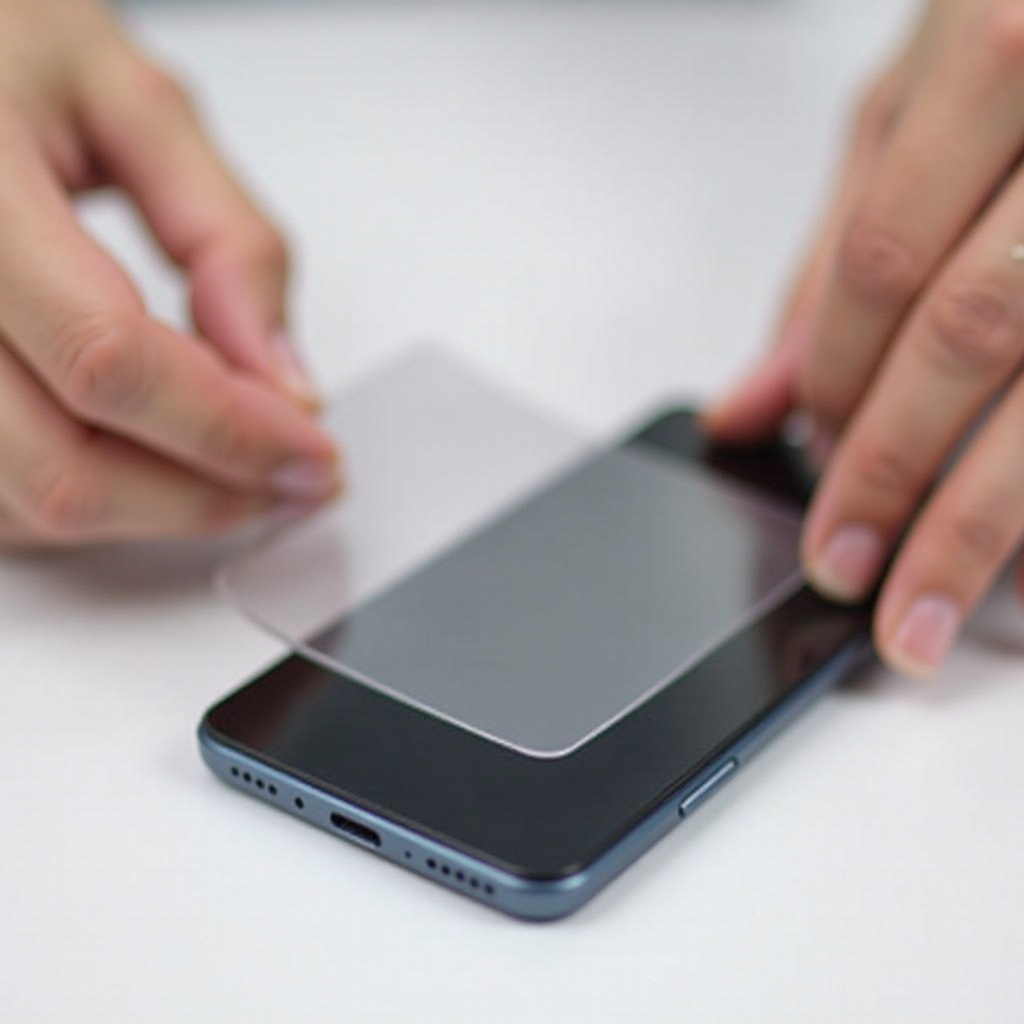
Ensure a precise installation of your privacy screen by following these steps:
- Clean your phone screen thoroughly using a microfiber cloth to remove dust and fingerprints.
- Align the privacy screen with your phone’s dimensions, making sure all ports and buttons are accessible.
- Peel off the protective film from the privacy screen.
- Carefully position the privacy screen onto the phone, applying from the top and moving downward.
- Use a credit card or similar tool to smooth out any air bubbles by pushing them towards the edges.
Proper installation ensures your screen remains effective and protects your privacy reliably.
Maintaining and Caring for Your Privacy Screen
Regular care of your privacy screen ensures it remains effective in safeguarding your data:
-
Cleaning Tips: Clean the screen regularly with a damp cloth to prevent dust and oil accumulation that can obstruct viewing.
-
When to Replace Your Privacy Screen: Look out for signs of wear, such as scratches or lifted edges, indicating it’s time for a replacement to maintain effectiveness.
With regular maintenance and care, your privacy screen will continue safeguarding your information. Let’s address common questions users have about privacy screens.
Conclusion
Privacy screens for Android phones provide a powerful solution to safeguard your personal information from prying eyes. By understanding their importance, exploring types, knowing how to choose and install them, and properly maintaining them, you ensure your data remains private, granting you security and confidence wherever you go.
Frequently Asked Questions
How do privacy screens affect screen brightness and clarity?
Privacy screens may reduce brightness and clarity slightly, but adjusting screen settings usually compensates for this.
Can a privacy screen protect my phone from scratches and damage?
Yes, particularly tempered glass versions, which provide an extra layer of durability against scratches and minor impacts.
Is it difficult to remove a privacy screen once it’s installed?
No, most privacy screens use adhesive that allows for easy removal without leaving residue.