13 Nov 2026
Post by Fiona
Introduction
Computers rely on a vast array of components to function seamlessly, and among these critical elements, wires play a pivotal role in ensuring connectivity and proper power distribution. Each wire serves a distinct function, contributing to the overall operation and resilience of computer systems. While often overlooked, the white wire holds tremendous significance in the realm of computer wiring. In this comprehensive article, we’ll explore the purpose, functions, applications, safety considerations, and troubleshooting techniques associated with the white wire in computer systems. Armed with this knowledge, you can enhance your system’s maintenance and longevity, ensuring optimal performance.
Overview of Computer Wiring
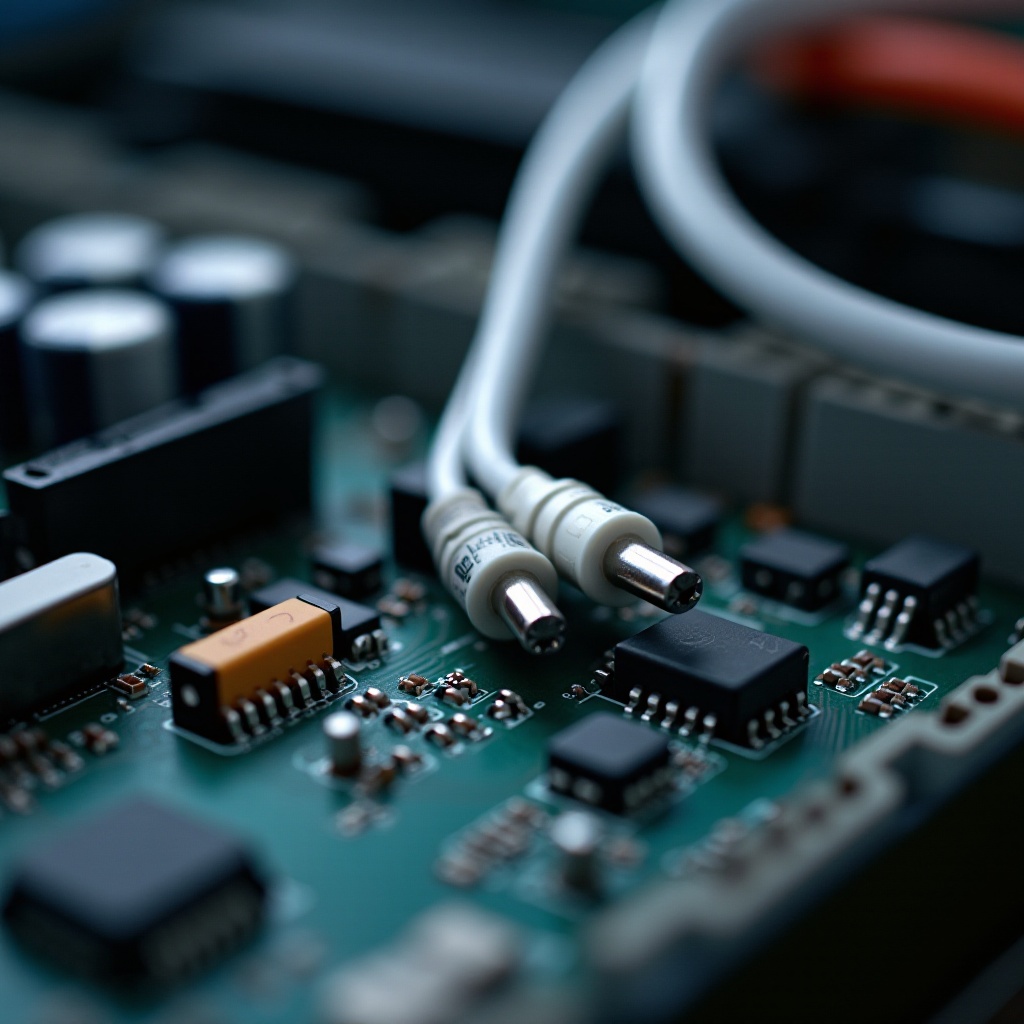
The chaos of tangled wires behind your desk epitomizes the complexity of computer wiring. This intricate web connects the various hardware components that enable data and electricity to flow efficiently through your system. Each wire is imbued with a unique function: some transport data, others supply power, and a few ensure safety. Understanding the color coding of wires is critical, as it helps designate the purpose of each wire, thus preventing confusion and promoting safety. These color-coding standards, though sometimes varying by manufacturer or region, are essential for ensuring smooth connectivity and system reliability. With these basics in mind, we can now focus on the white wire’s particular role and importance.
The Purpose of the White Wire in Computers
The white wire in computer systems commonly functions as a neutral or return path for electrical currents. It plays an indispensable role in maintaining balanced current flow, as it completes the circuit by returning the current from the device to the power source. Moreover, depending on the system configuration, the white wire might carry specific signals relevant to various setups. Understanding its purpose can provide valuable insights into how power and data traverse a computer system, enabling better comprehension during hardware setup or repair.
How the White Wire Functions in Different Setups
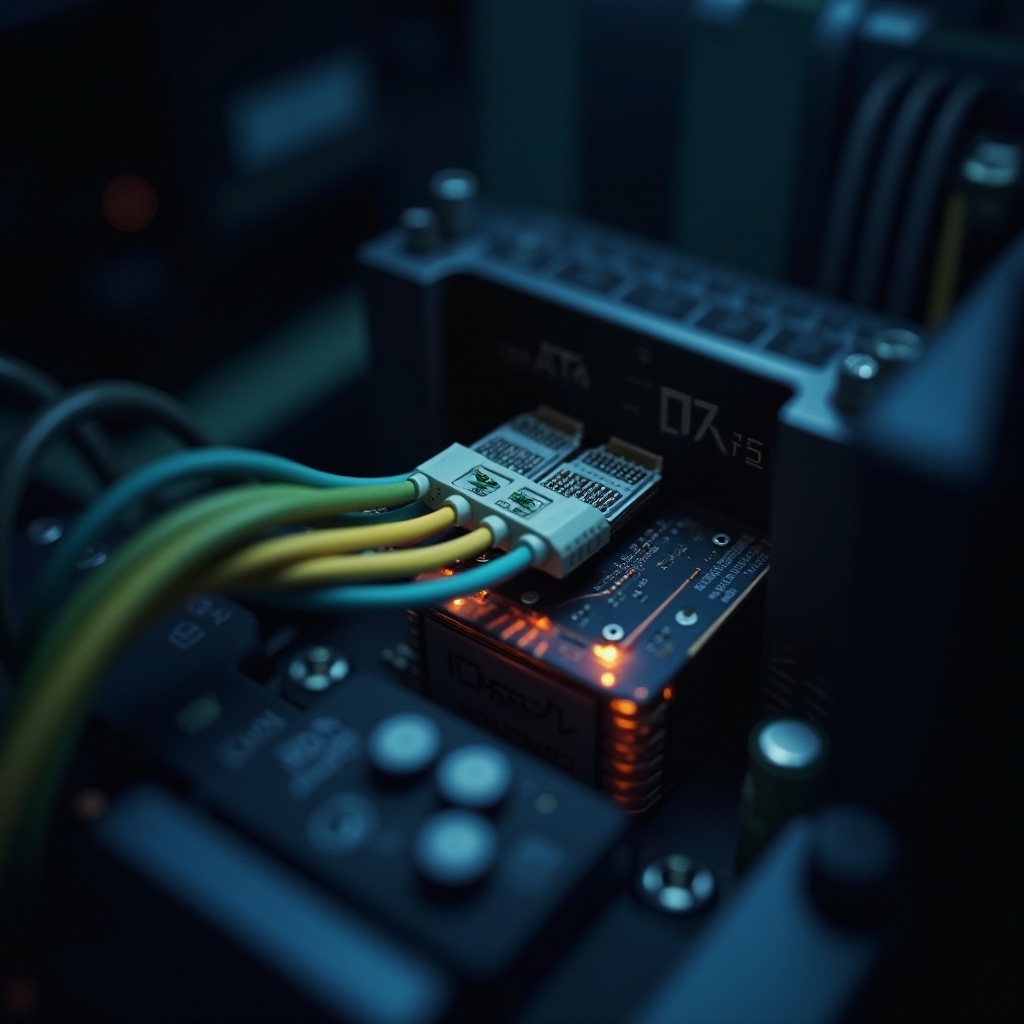
A white wire’s role can extend beyond that of a simple neutral line. In diverse computer setups, such as those involving power supplies, the white wire may also function as a sense wire—an element that aids in regulating voltage levels by providing feedback for steady power output. Regardless of its specific use, the white wire’s primary task revolves around balancing and completing electrical circuits within the system. This adaptability across different configurations underscores its significant contribution to maintaining an efficient computer system. Utilizing this information can aid in customizing wiring arrangements to meet specific system requirements.
Common Applications and Variations
The white wire’s applications vary across multiple systems and devices. For instance, within a traditional desktop setup, it plays a crucial role in power management by providing a neutral pathway. In contrast, in more advanced systems such as servers or data centers, the white wire might engage in complex power distribution networks. Similarly, in modular computer configurations, it may serve to interconnect distinct modules or provide feedback mechanisms within the PSU (Power Supply Unit). Recognizing these applications can foster more effective system design and adaptation, addressing the diverse demands of different computing environments.
Safety and Maintenance Considerations
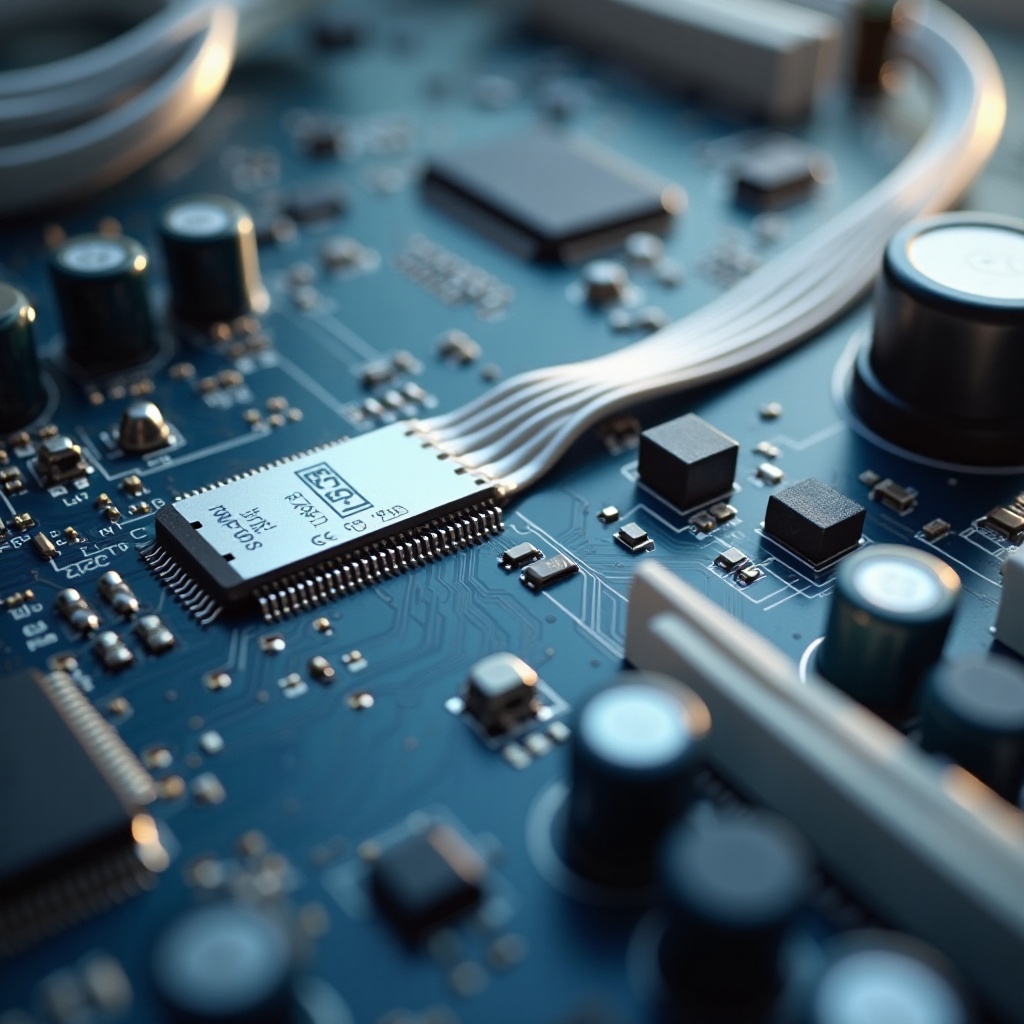
Safety is of paramount importance when handling computer wiring, and the white wire is no exception. Ensuring accurate connections and avoiding circuit overload are vital to prevent potential hazards. Regular maintenance practices like inspecting wire integrity and securing connections can help prevent unexpected failures. Furthermore, understanding regional or manufacturer-specific color-coding standards guarantees the correct usage of the white wire within a system. Sticking to these principles not only prolongs equipment life but also fortifies user safety by mitigating the risks of electric shock or fire.
Troubleshooting Common White Wire Issues
Issues with the white wire can lead to power imbalances that demand thorough diagnosis to preserve system reliability. Below are steps to troubleshoot common problems:
-
Inspect Connections: Verify that all connections are secure and properly aligned with wiring diagrams.
-
Check for Damage: Assess the wire’s insulation for any signs of wear or damage that could suggest a potential issue.
-
Test Current Flow: Utilize a multimeter to validate the proper current flow across the white wire.
-
Verify Color Coding: Ensure the color coding is accurate and consistent throughout the system.
By systematically addressing these points, many common white wire-related issues can be resolved effectively, ensuring a dependable computing experience.
Conclusion
Grasping the role of the white wire in computer systems—from its fundamental duty as a neutral line to its myriad applications—enriches our ability to manage and sustain these systems efficiently. By emphasizing safety and adept troubleshooting, you can secure your computer’s reliable operation. Embracing this understanding enhances your capability to handle computer systems, extending the lifespan of your technology and optimizing functionality.
Frequently Asked Questions
What happens if the white wire is connected incorrectly?
Connecting the white wire incorrectly can lead to power imbalances, resulting in component damage or posing safety hazards.
Can the white wire be used as a ground in a computer system?
Typically, the white wire functions as a neutral line, not a ground. However, some systems may use it differently. Always refer to specific wiring guidelines.
Why is it important to adhere to color-coding standards in computer wiring?
Adhering to color-coding helps prevent wiring errors, ensures system safety, and facilitates easier maintenance and troubleshooting.