10 Feb 2026
Post by Fiona
Reliable power is now a silent partner in outdoor comfort—phones serve as maps and cameras, watches track our hikes, and portable fridges keep food fresh off-grid. Yet once you leave the outlets behind, every charge must be planned and preserved. A dead battery can turn from a hassle into a risk, affecting navigation, communication, and safety. Knowing how to match your energy needs with the right portable power setup can make camping smoother and far less stressful. In this article, we break down how to calculate, generate, store, and manage electricity off-grid—in clear, practical terms.
1. Calculate Your Power Needs
List Devices and Their Battery Capacity
A successful off-grid power setup begins with knowing exactly which devices will come along for the trip. Smartphones, headlamps, cameras, drones, portable fans, and small coolers all draw different amounts of energy. Battery capacity is usually listed in milliamp-hours or watt-hours, and this number gives a rough idea of how much energy each device stores. Adding up these capacities helps estimate how much total charging will be required over several days. Many campers are surprised to learn that small items like wireless earbuds or GPS units still add to the overall demand. Writing everything down before departure prevents underestimating power needs and avoids unpleasant surprises at the campsite.
Estimate Daily Usage Hours
Knowing a device’s battery size is only part of the picture, because usage habits make a big difference. A phone used mainly for photos and quick messages consumes far less power than one streaming videos every evening. Headlamps might run for only an hour or two, while a portable fridge may cycle on and off all day. Estimating daily usage hours for each device creates a more realistic view of energy consumption. Multiplying usage time by the device’s typical power draw gives a rough daily watt-hour requirement. This simple planning step turns power management from guesswork into a predictable routine.
2. Choose a Main Power Source
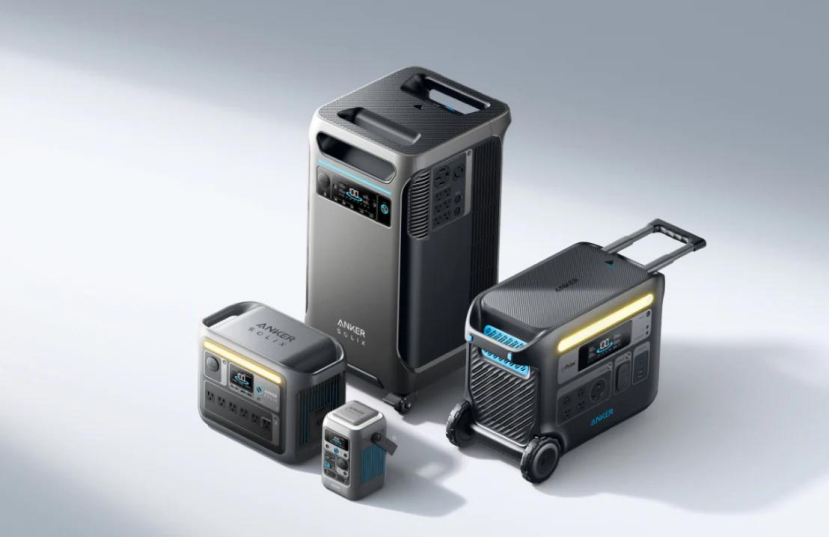
Once daily energy needs are clear, selecting a main power source becomes much easier and more logical. Portable power stations are often the core of an off-grid setup because they store electricity safely and provide multiple output options for different devices. The generator solar is especially useful in outdoor settings, since they can recharge during the day using sunlight and reduce reliance on pre-charged reserves. Some systems, including models in the Anker SOLIX lineup, combine efficient solar input, durable design, and easy portability that fits naturally into car camping or basecamp setups. Choosing a capacity that comfortably exceeds calculated daily use ensures enough buffer for cloudy weather and unexpected extra charging.
3. Set Up Solar Charging
Position Panels for Full Sun
Solar panels work best when they receive direct, unobstructed sunlight for as many hours as possible. Campsites under trees may feel cooler and more scenic, but heavy shade can significantly reduce charging performance. Placing panels in an open area and adjusting their angle toward the sun improves energy collection throughout the day. Even small changes in tilt can noticeably increase charging speed, especially during morning and late afternoon. Keeping panels clean from dust and leaves also helps maintain efficiency. A few minutes spent repositioning panels as the sun moves can translate into several extra device charges.
Use a Solar-Compatible Power Station
Not every battery pack is designed to accept energy directly from solar panels, so compatibility is important. A solar-compatible power station includes built-in charge controllers that safely regulate voltage and current. This allows panels to connect directly without complicated extra equipment. These stations typically provide clear input displays, making it easy to see how much solar energy is being captured. Monitoring this input helps adjust panel placement for better performance. Over time, this setup turns sunlight into a dependable daily charging routine.

4. Manage Power Wisely
Charge Essential Devices First
When power is limited, priorities matter more than convenience. Essential devices such as phones, GPS units, and headlamps should be charged before entertainment items. This ensures communication, navigation, and basic safety remain covered even if energy runs low. Charging during peak solar hours also reduces strain on stored battery reserves. Creating a simple order of importance helps avoid last-minute decisions when multiple devices need power at once. Consistent prioritization keeps the most important tools ready whenever they are needed.
Use Low-Power Modes on Electronics
Most modern electronics include built-in features designed to extend battery life. Low-power or battery-saver modes reduce background activity, dim screens, and limit unnecessary functions. These small adjustments can significantly slow energy drain, especially on phones and tablets. Lowering screen brightness and turning off wireless features like Bluetooth or Wi-Fi when not needed also helps. Over several days, these habits can save enough power for extra lighting or additional device charges. Thoughtful settings changes stretch limited energy much further without reducing essential functionality.
5. Bring Backup Power
Pack High-Capacity Power Banks
Even with a main power station, smaller power banks provide flexibility and convenience. They are lightweight, easy to carry on hikes, and perfect for charging phones or cameras away from camp. Keeping one in a backpack ensures access to emergency power during long trail days. High-capacity models can recharge a smartphone multiple times before needing to be refilled themselves. Recharging these banks from the main station during sunny hours creates a layered energy system. This approach spreads risk and prevents all devices from depending on a single battery.
Carry Extra Rechargeable Batteries
Some gear, such as headlamps, lanterns, and cameras, still relies on removable batteries. Bringing extra rechargeable sets ensures these devices stay usable even when direct charging is not practical. Pre-charging all spare batteries before the trip adds another layer of preparation. A small battery charger connected to a power station can rotate depleted cells back into service. This system works especially well for longer trips where sunlight may vary from day to day. Reliable lighting and camera power often come down to having these simple backups ready.
Conclusion
Staying powered while camping off-grid is less about high-tech complexity and more about thoughtful planning and steady habits. Calculating realistic energy needs, choosing a suitable main power source, and using solar charging effectively form the foundation of a reliable setup. Careful power management and simple efficiency settings help stretch every stored watt-hour. Backup options like power banks and spare batteries provide extra security when conditions are unpredictable. With the right balance of preparation and practical tools, modern devices can stay charged without disrupting the peace of the outdoors. Off-grid adventures become more comfortable and confident when power is treated as a manageable resource rather than a constant worry.